Increasing Economic Opportunities for Tanzanian Youth (30 Years & Under With a Focus On Women) Through Financial Inclusion and Entrepreneurship.
FINCA Canada, FINCA Poverty Eradication Lab, FINCA Tanzania, Global Affairs Canada
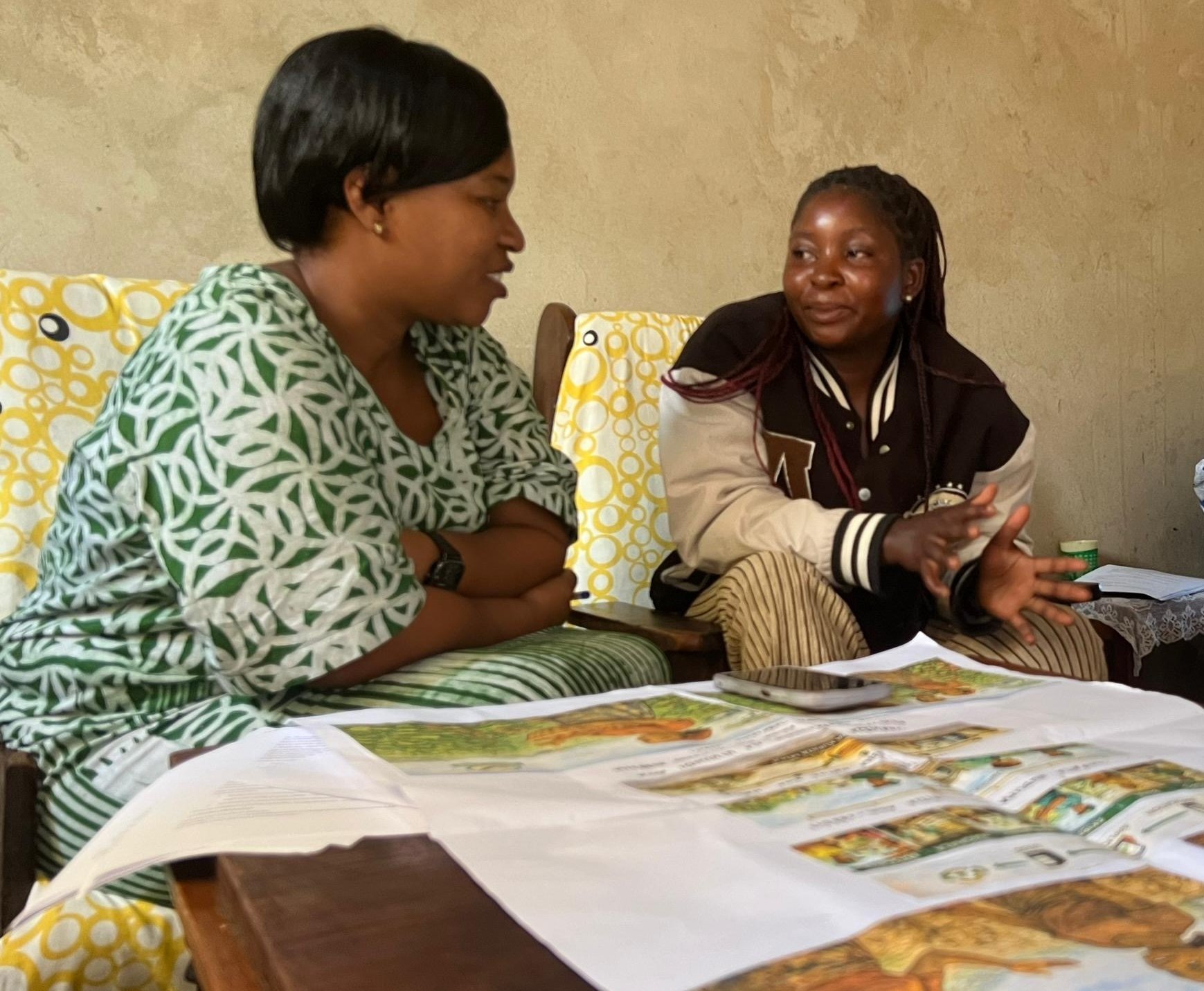
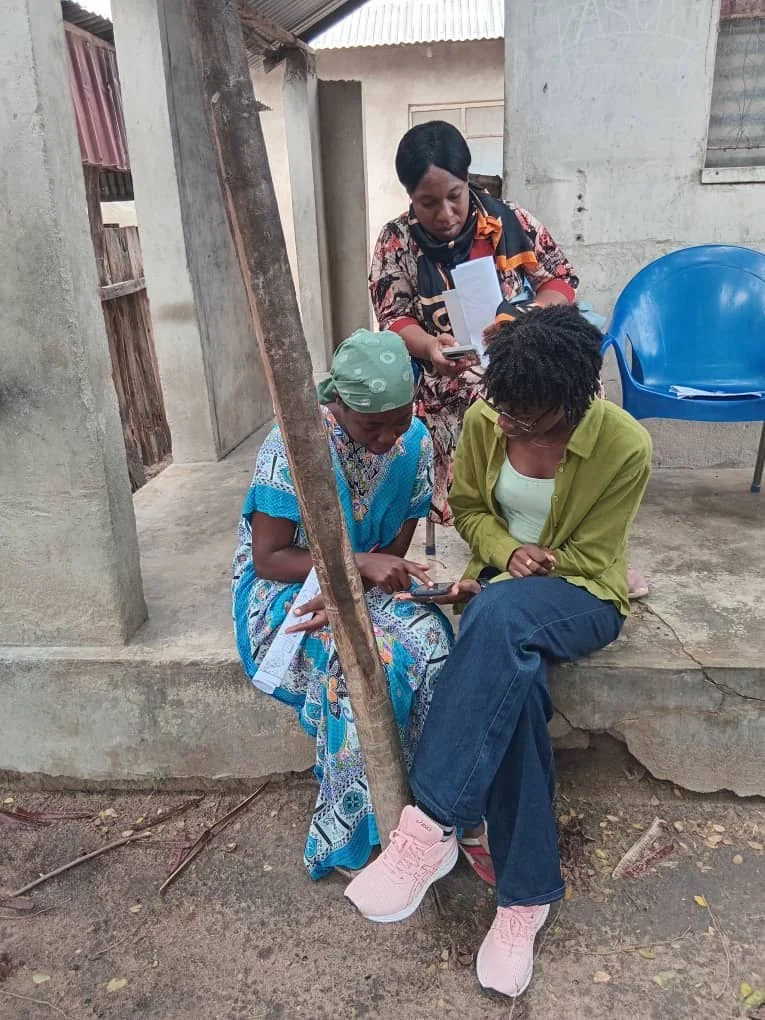
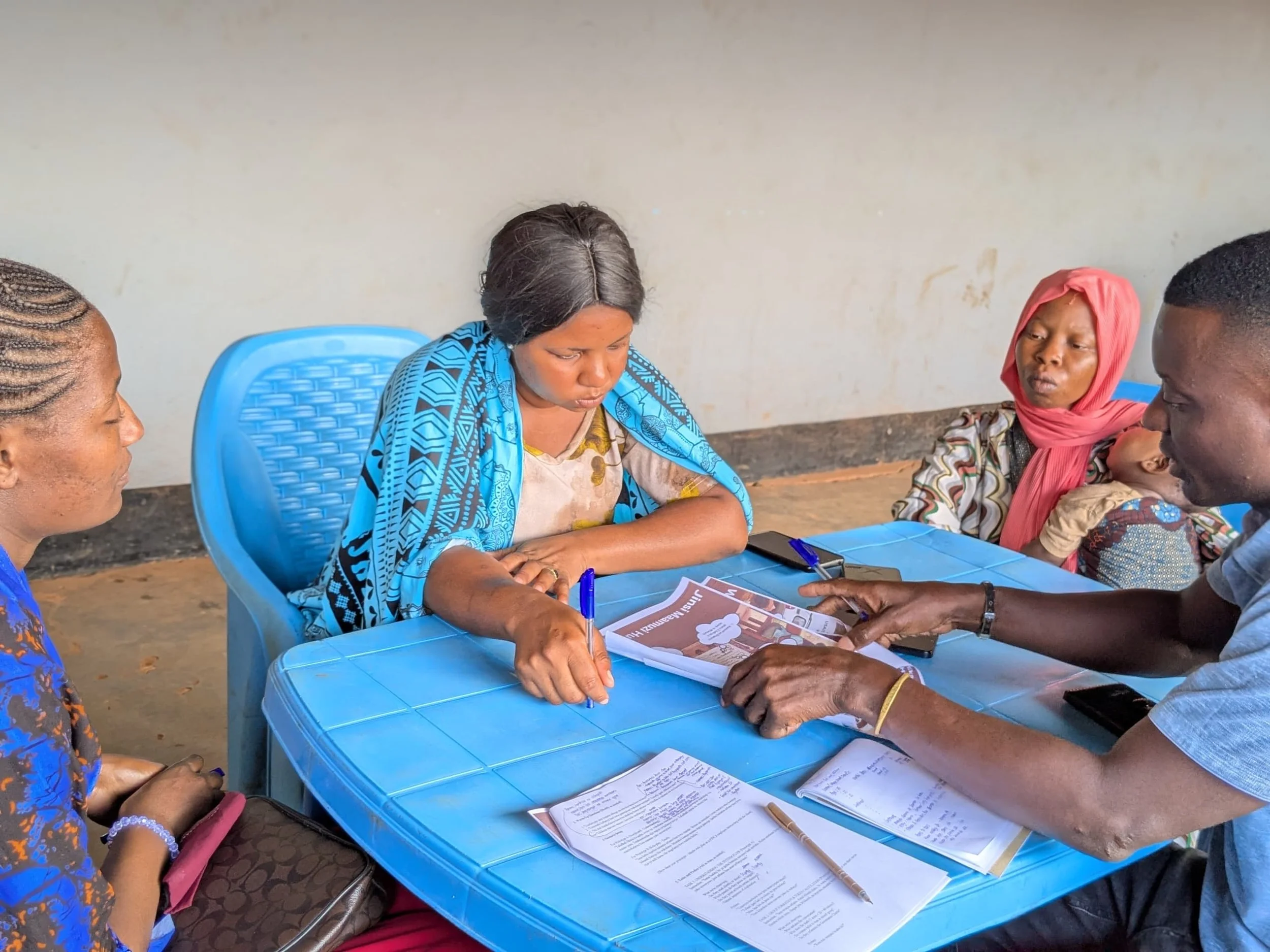
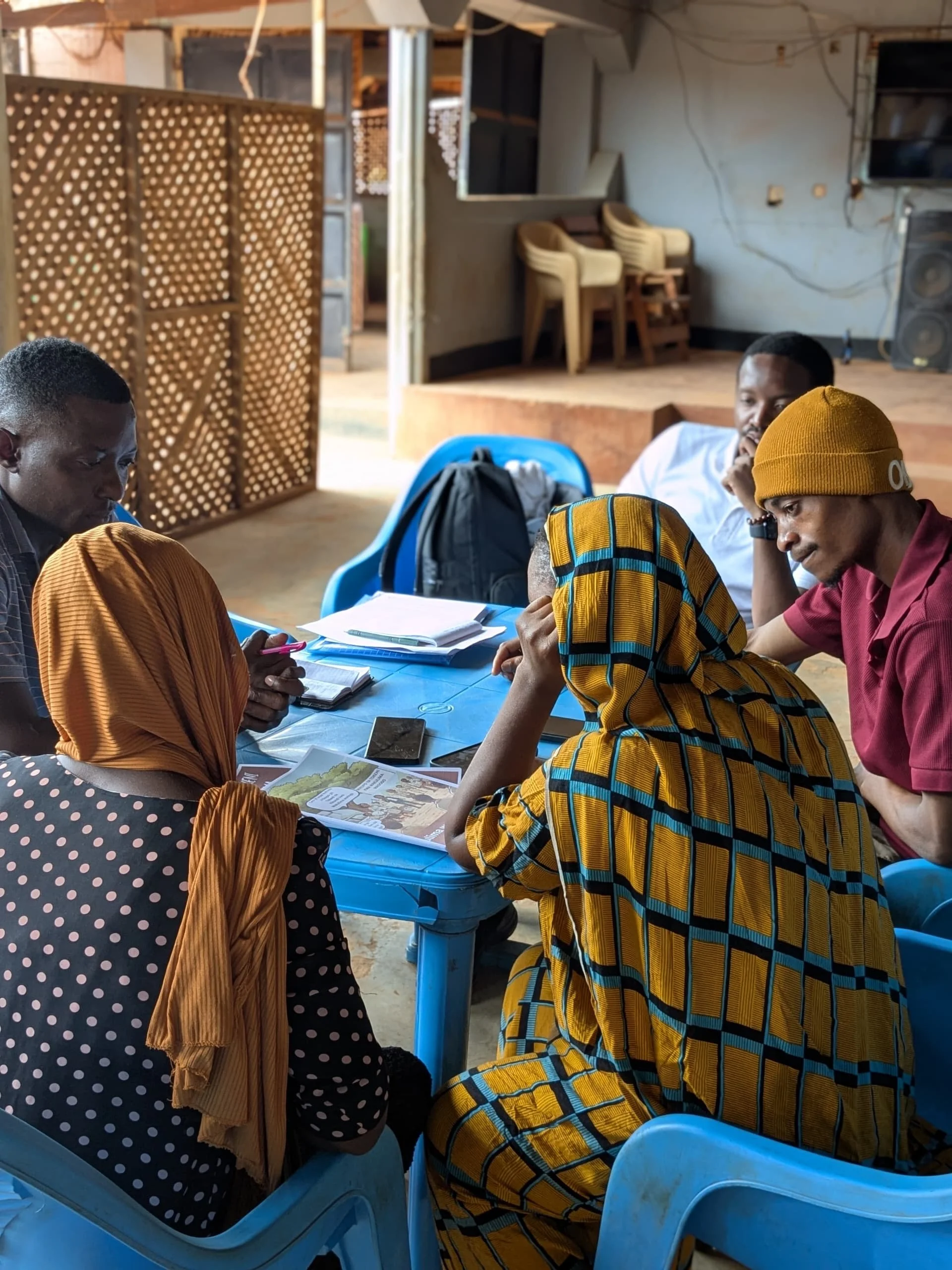
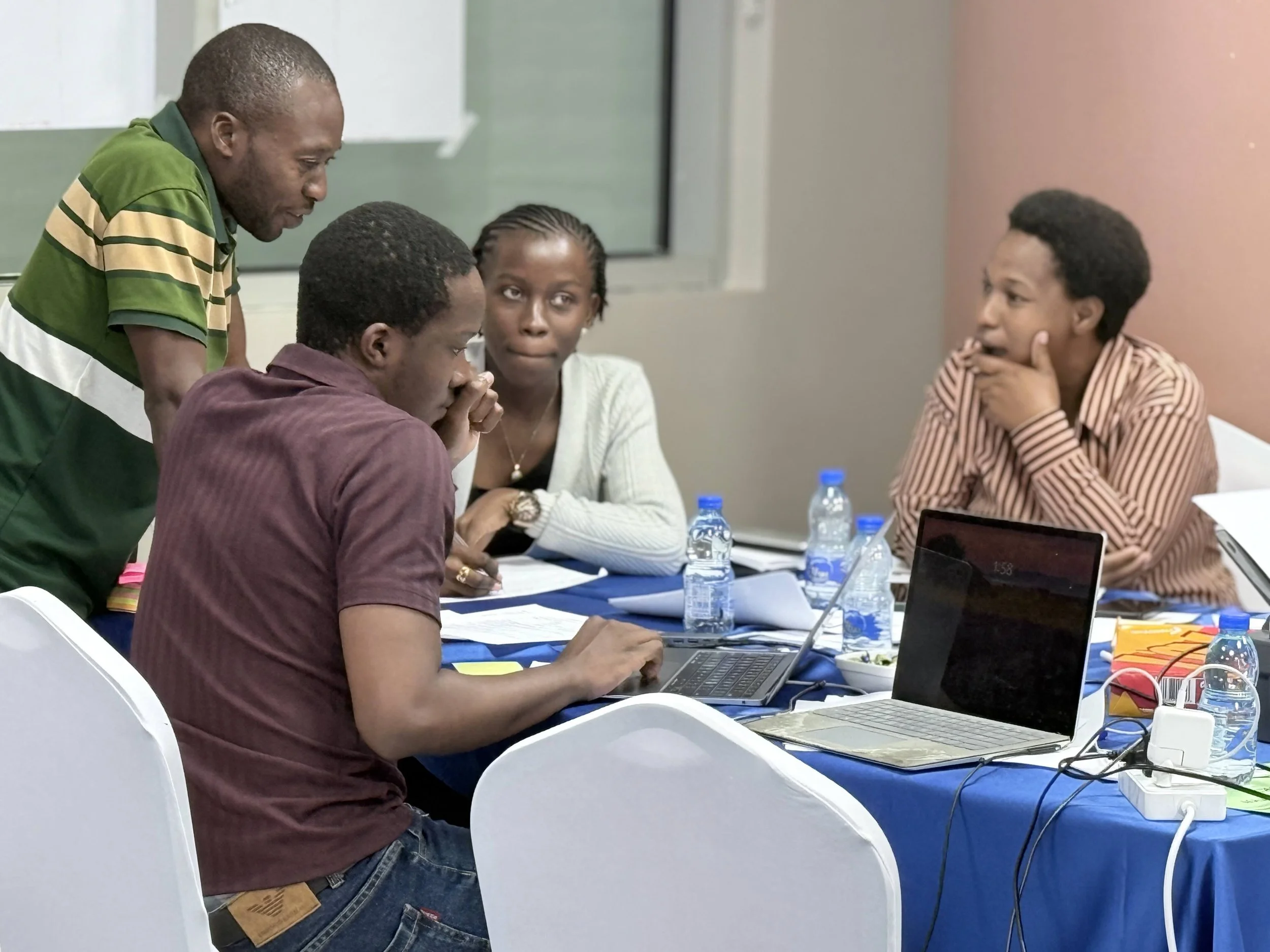
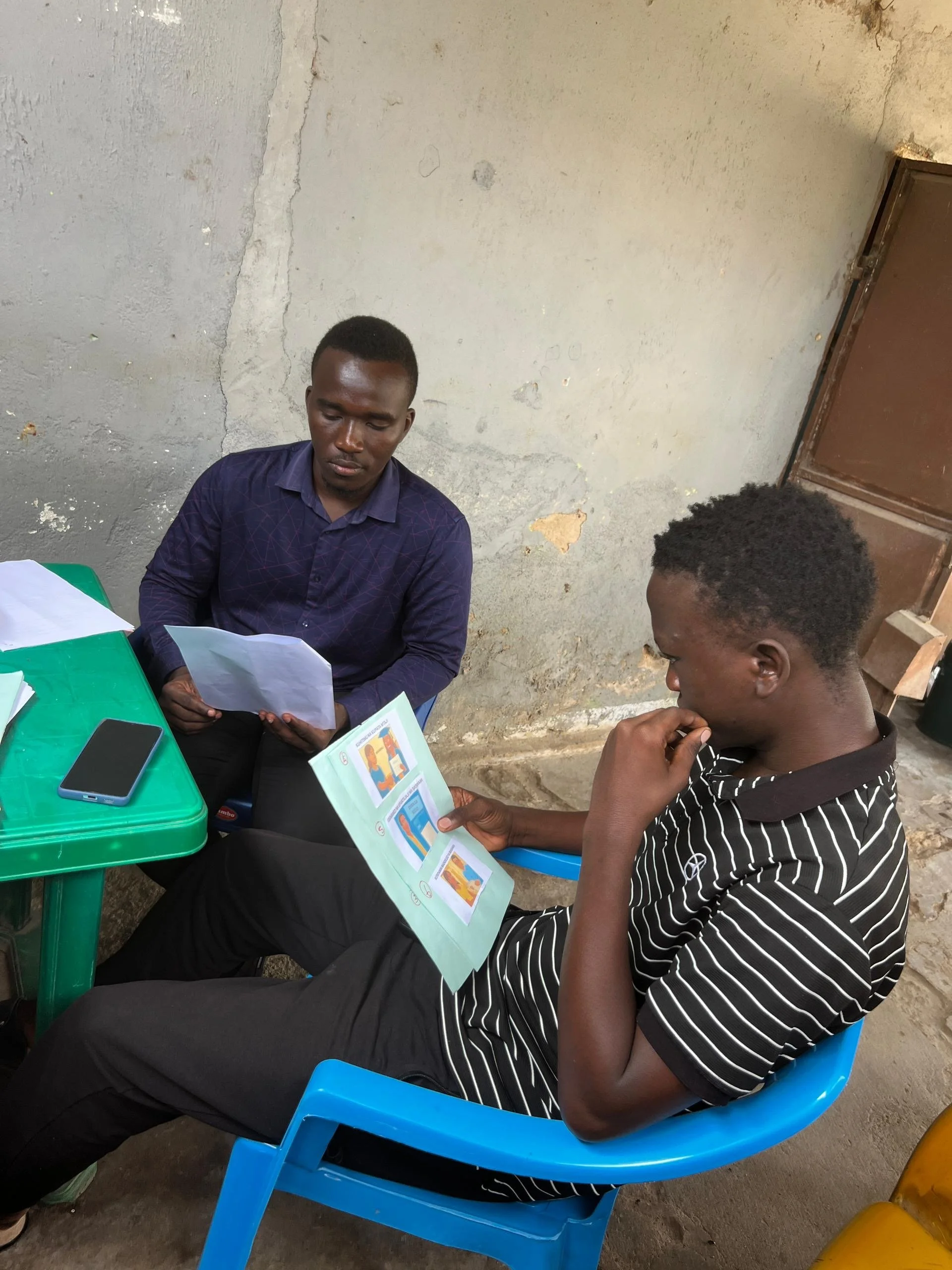
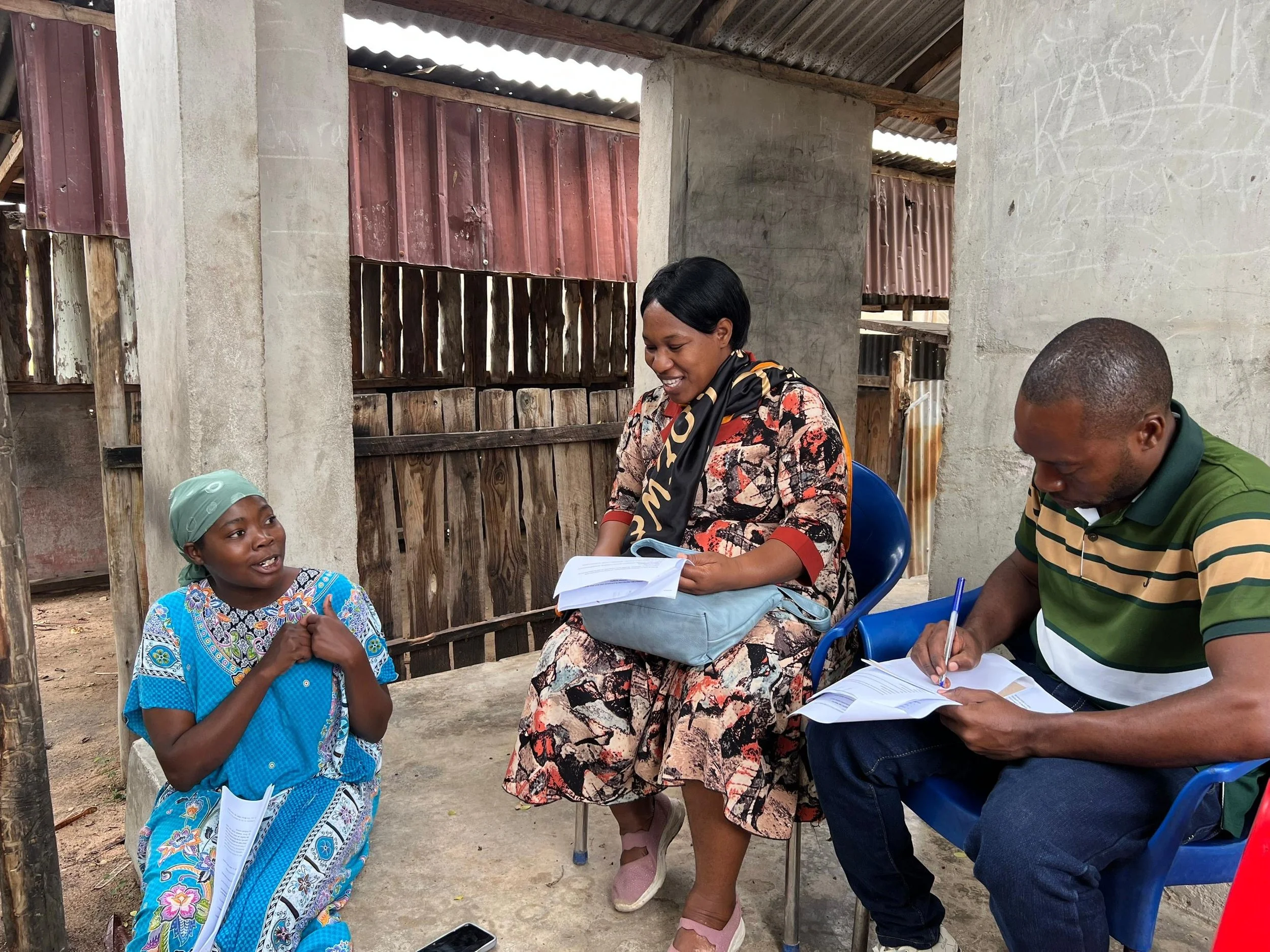
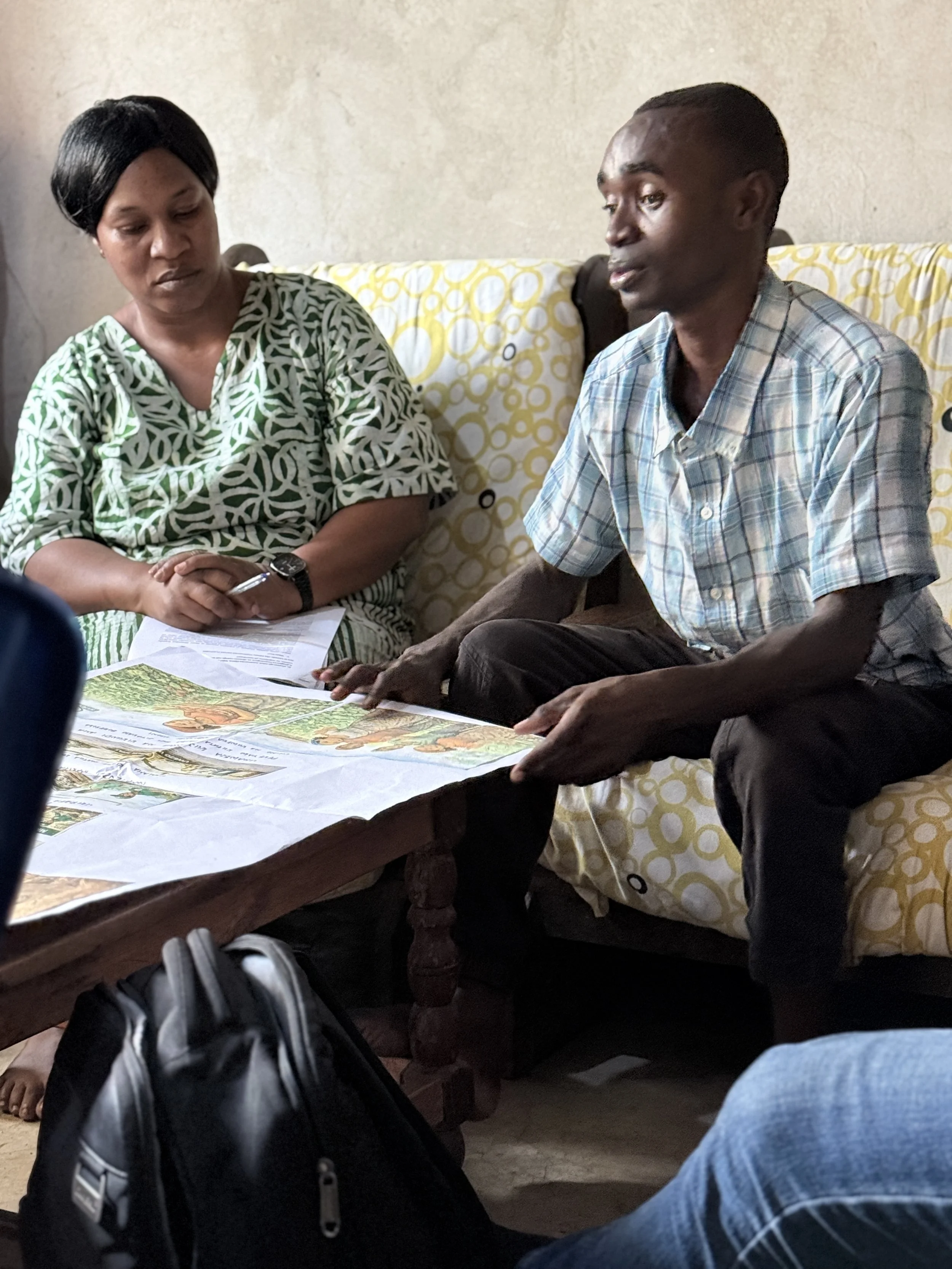
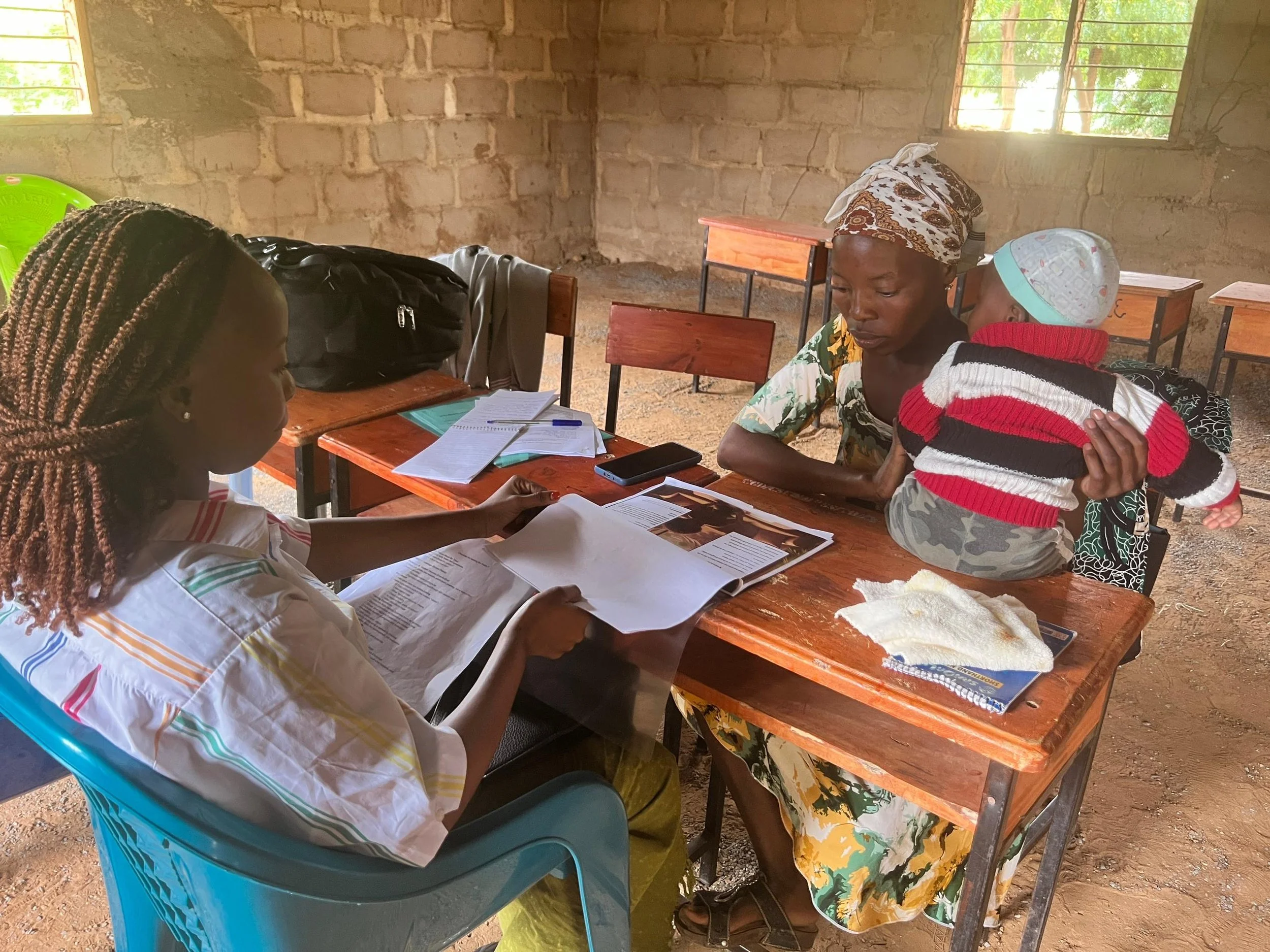
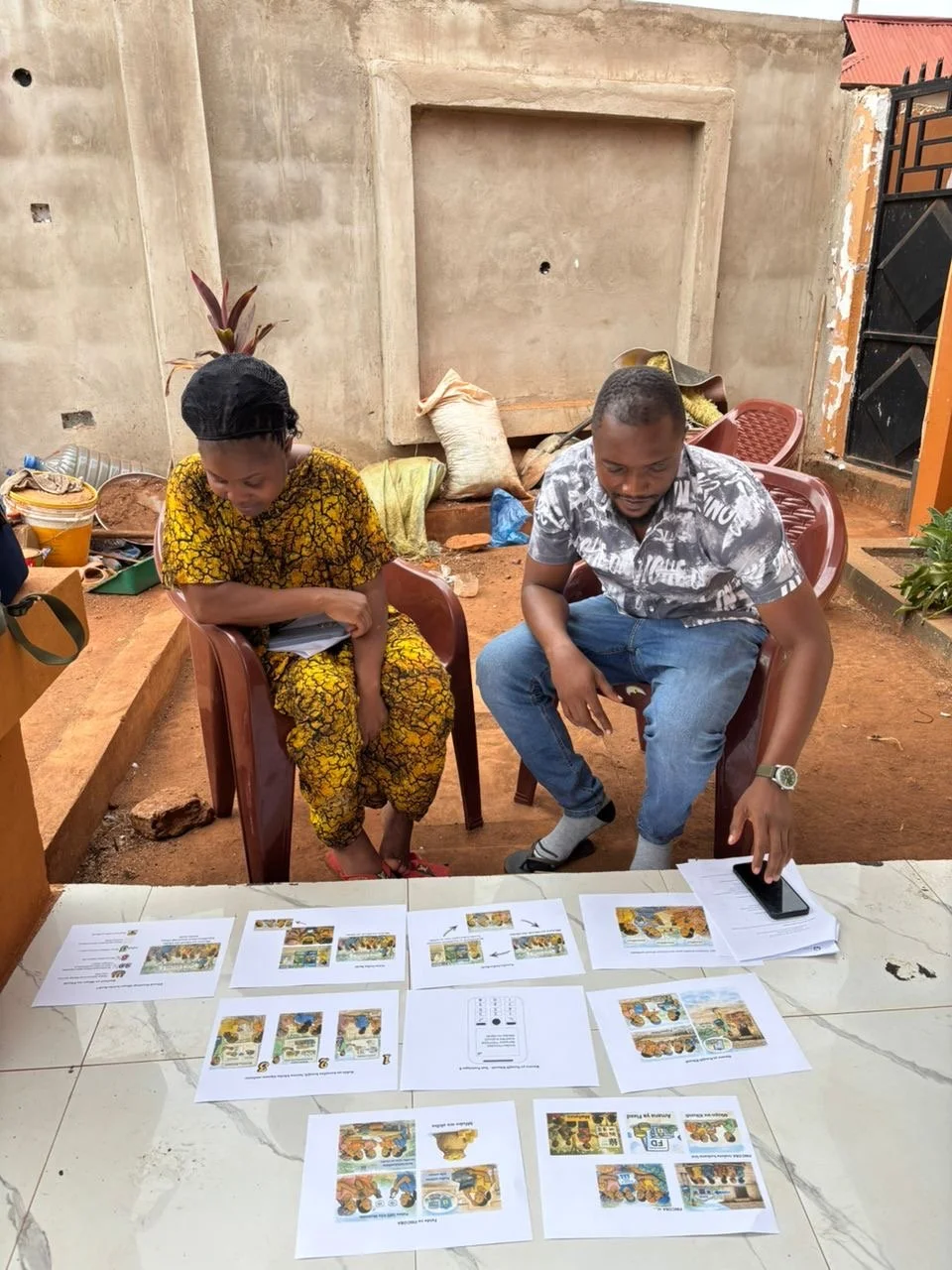
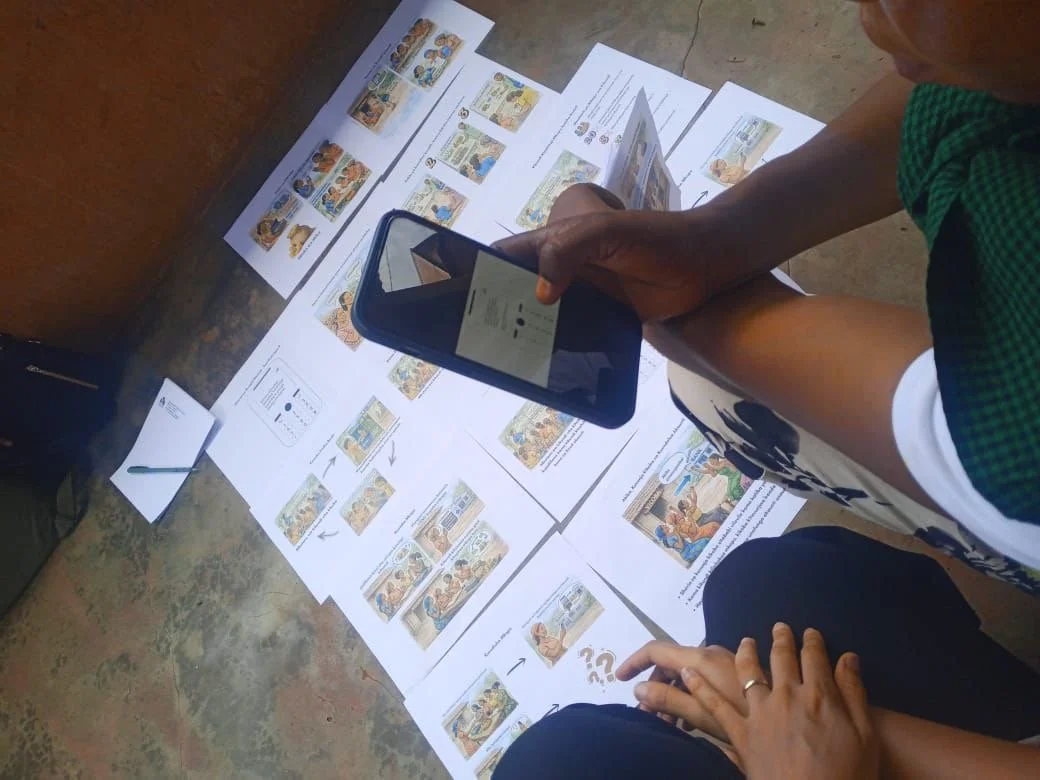
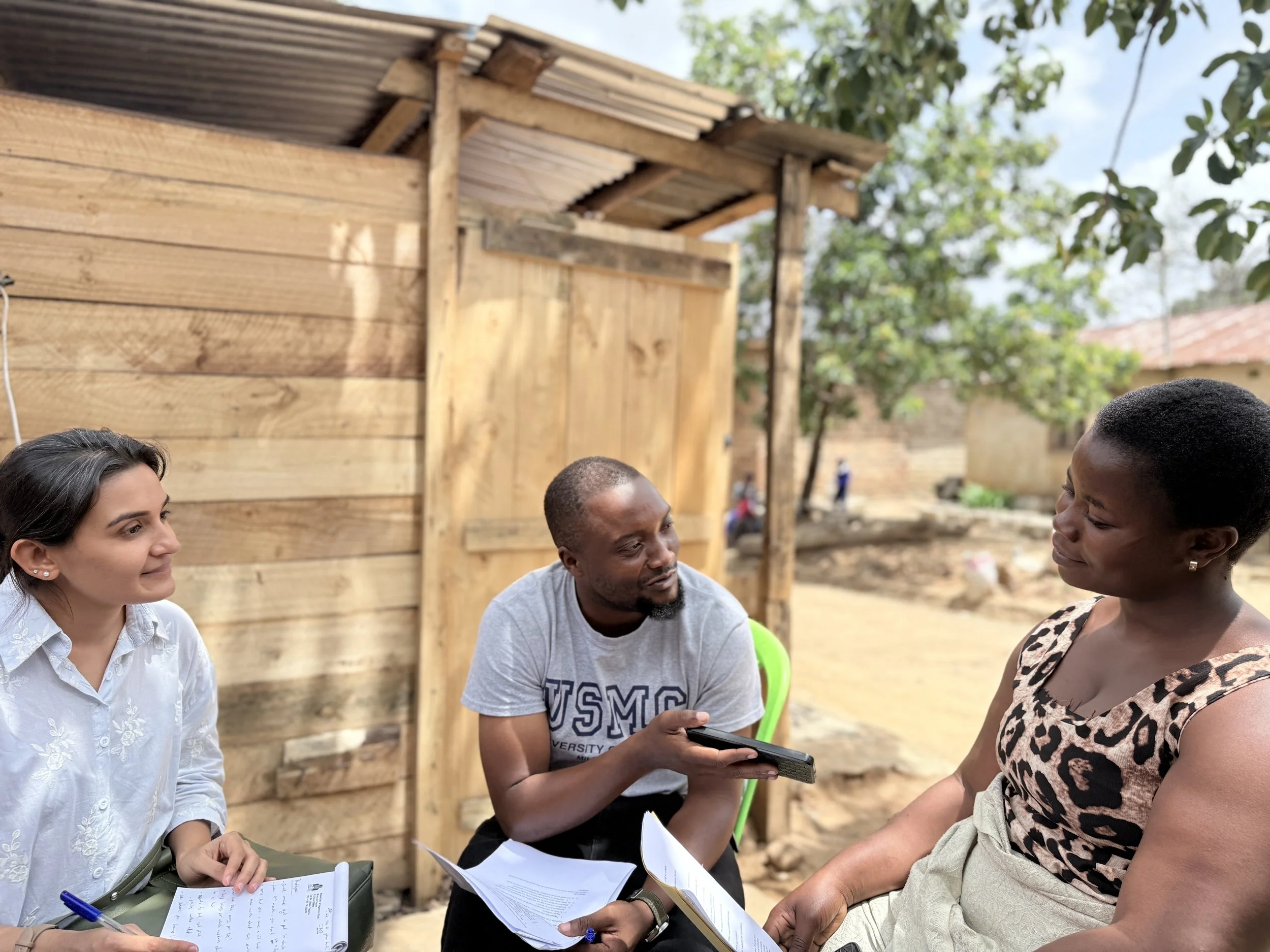
This project, funded by Global Affairs Canada and delivered in partnership with FINCA Poverty Eradication Lab, FINCA Tanzania, and FINCA Canada, applied a Human-Centered Design (HCD) approach to support youth entrepreneurship in Tanzania by addressing the systemic barriers that prevent young people from starting and growing sustainable businesses. Grounded in extensive field research and co-creation with youth, the work focused on designing solutions that reflect the realities of informal livelihoods, irregular incomes, and the social and gender dynamics shaping economic participation.
The research revealed that while access to capital is a major constraint, the deeper challenge is trust. Many young entrepreneurs avoid formal financial institutions due to rigid requirements, lack of transparency, and fear of punitive enforcement. Instead, they rely on informal systems that are more accessible and dignified but limited in their ability to support growth. Additional barriers, such as limited mobility for women, either due to traditional norms or household priorities, lack of market access, and gaps in skills and training, further restrict opportunities.
In response, the project reframed the challenge from delivering financial products to building a trust-based financial ecosystem. The solutions were designed to create pathways that gradually connect informal financial behaviors with formal systems, enabling youth to access capital, inputs, and markets in ways that align with their lived realities. This included approaches that strengthen community-based savings and borrowing structures, enable access to financing without traditional collateral, improve access to business inputs and markets, and embed practical learning and capacity building alongside financial services.
A key feature of the work is its phased implementation strategy. Rather than introducing multiple solutions at once, the model prioritizes building trust and financial discipline at the community level before expanding access to individual financing and more complex services. This approach reduces risk, allows for iterative learning, and ensures that scale is built on proven trust and performance rather than rapid expansion.
The result is a modular and scalable system that can be tailored to different youth needs and contexts. By prioritizing dignity, flexibility, and real-world usability, the project creates a sustainable pathway for young entrepreneurs—especially women—to transition from informal, survival-based activities to stable and growth-oriented enterprises.